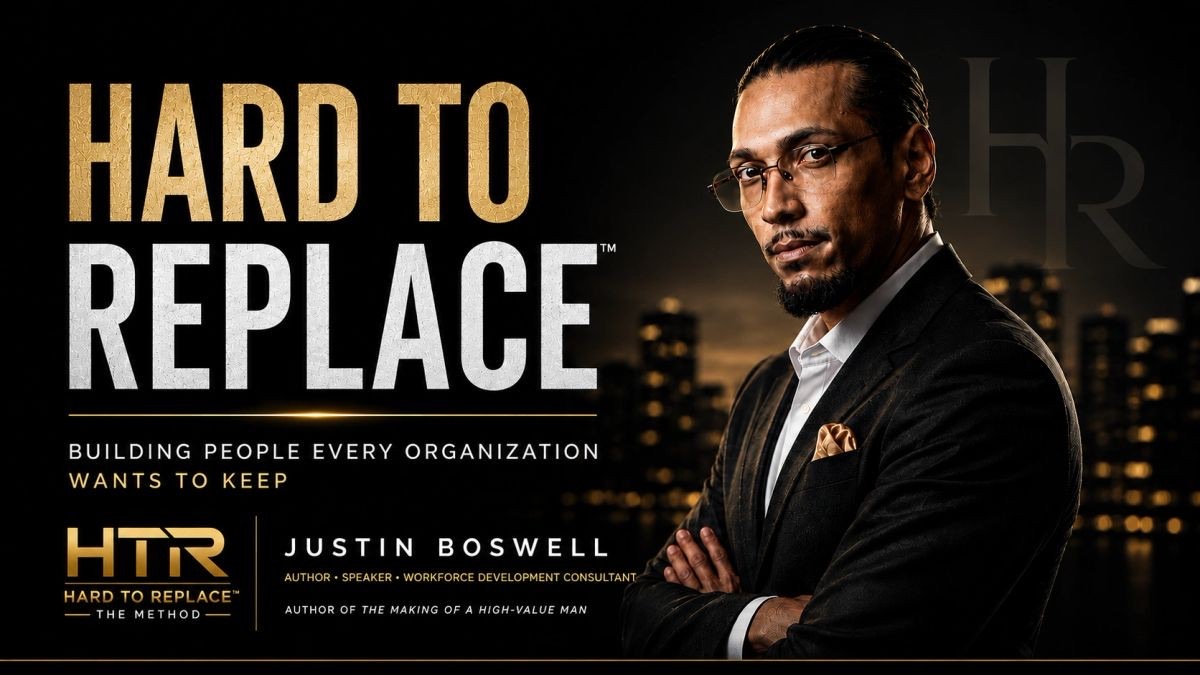
Build people every organization wants to keep.
The capability is already in the building. What is missing is the person who picks up the problem before it is assigned and finishes what they said they would finish.
You are paying for potential and receiving inconsistency.
Most teams do not fail on skill. They fail on follow-through — commitments that quietly slip, standards that hold only while someone is watching, and problems that get escalated instead of solved where they occur.
Everyone knows which handful of people are genuinely reliable. That is the problem: it is a handful.
This work is about widening that group deliberately rather than hoping it happens.
- People wait to be told rather than moving on what is obviously needed
- The same few employees absorb the work everyone else drops
- Commitments slip without anyone naming it
- Rework caused by things half-finished the first time
- Good people leaving because they are carrying others
What your people leave able to do
Name what they own
State the specific responsibility they carry and what carrying it well looks like.
Keep a commitment
Treat what they said they would do as a standard rather than an intention.
Solve closer to the work
Handle problems where they occur instead of escalating them upward.
Work without supervision
Hold the standard on the day nobody is checking.
Become worth keeping
Build the reliability that makes their contribution obvious and their value durable.
How it runs for a workforce
- All-hands keynoteOne message, one standard, delivered to everyone at once.
- Team workshop — 60 to 90 minutesAn intact team assesses, decides its standard, and commits to specific action.
- Departmental seriesThree to six sessions with field assignments applied to real work between them.
- Onboarding editionSet the expectation on the way in rather than correcting it two years later.
- Facilitator certificationCertify internal trainers to run it continuously at your scale.
Who this is for
- Intact teams and whole departments
- Frontline and operations staff
- Workforce development and career-readiness programs
- Onboarding and new-hire cohorts
- Union and non-union workforces alike
- Organizations rebuilding culture after change or turnover
What people say.
“This talk forced us to stop making excuses and take ownership.”
“We left with a clear standard: be hard to replace in how you show up.”
“Justin gives you a standard for accountability you can actually live up to.”
Questions
Will employees feel this is being done to them?
That depends entirely on how it is introduced, and it is worth getting right. The session is framed around what makes a person valuable and harder to replace — which is in the employee's interest first. It is not a compliance exercise, and it does not work as one.
Does this work for frontline staff, not just office teams?
Yes. The material is deliberately concrete — evidence, standards, systems, follow-through. It tends to land harder with people who do tangible work than with people who are used to abstract training.
What group size can you handle?
A keynote scales to whole-organization audiences. Workshops work best with an intact team or department, because the value comes from people making commitments in front of the colleagues who will see whether they keep them.
How do we keep it alive afterward?
Field assignments applied to real work, manager guides so supervisors reinforce the same standard, and the Academy for people who want to keep going. The follow-through is the part most training skips, and it is the reason most training fails.
Tell us about your team.
The size, the function, and what you want to be different afterward.